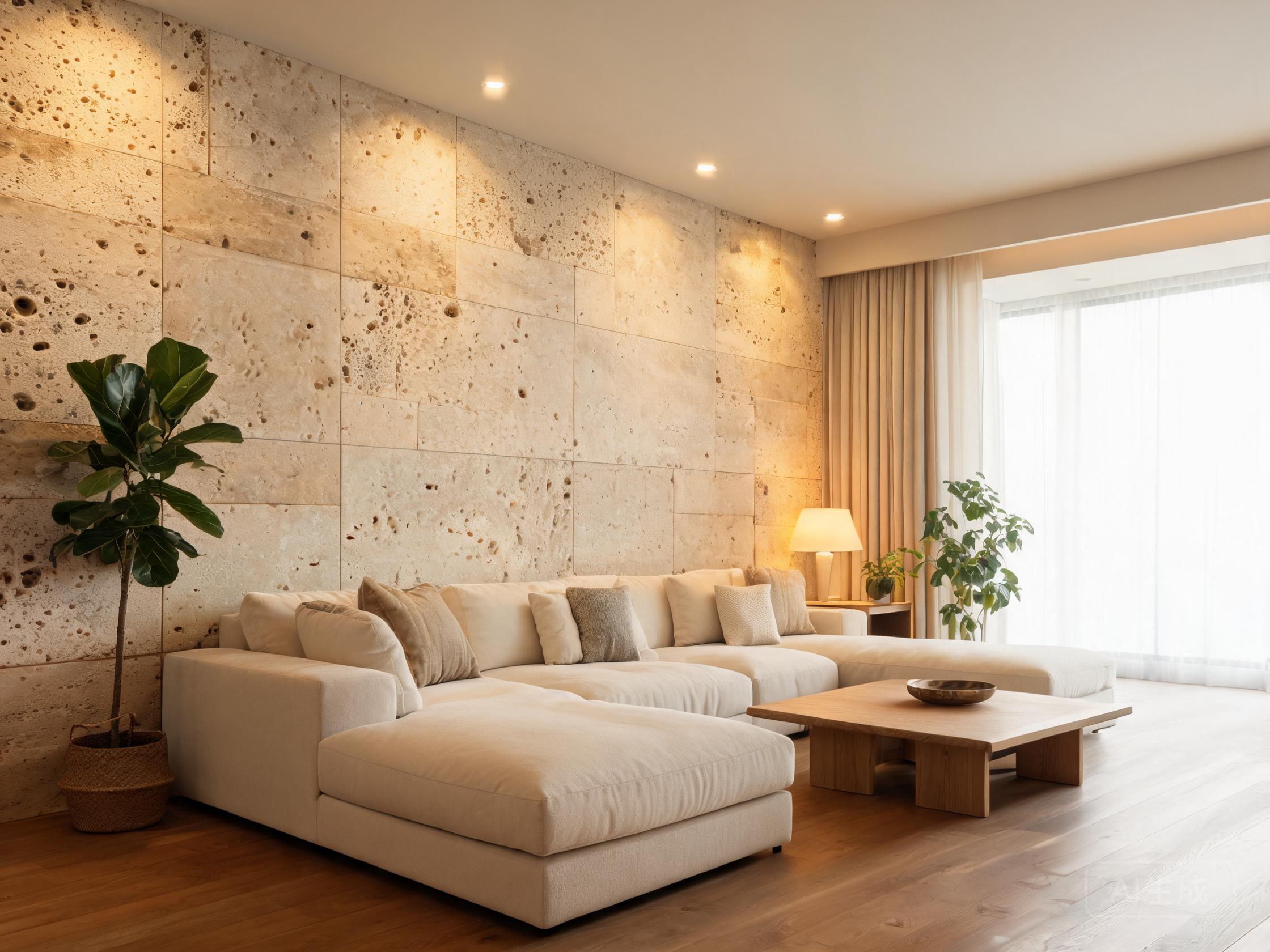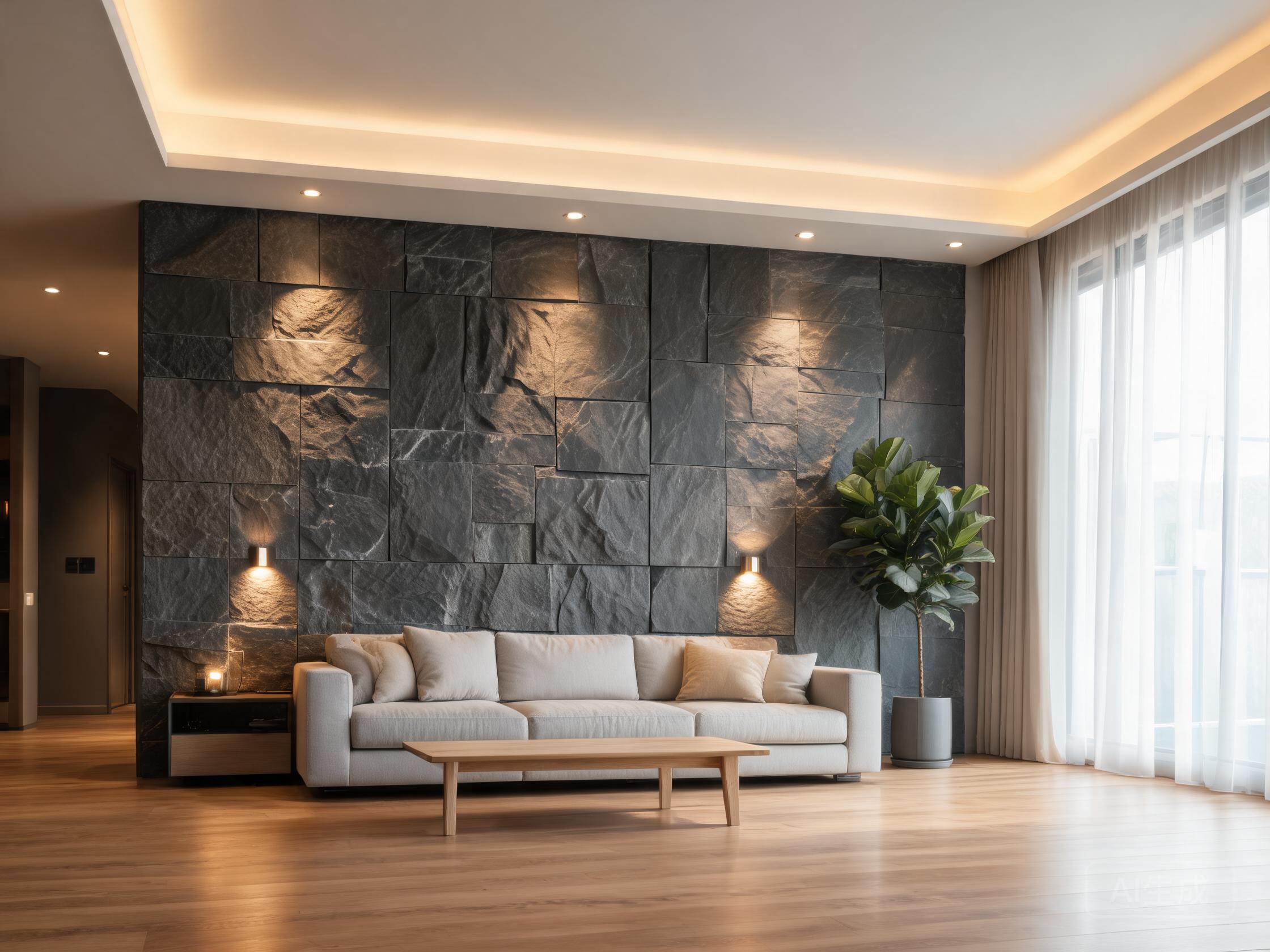
Flexible stone is a thin, bendable stone veneer made from modified clay material (MCM) that must be installed with a flexible, freeze-thaw rated adhesive. Rigid thinset or construction adhesive is the most common cause of flexible stone delamination, because a rigid bond cannot move with the panel as temperatures change. This guide explains which adhesives work, which fail, and how to bond flexible stone so it stays put for 20 years or more.
Key Facts
- ◆Flexible stone must be installed with a flexible, freeze-thaw rated adhesive, never rigid thinset or construction adhesive.
- ◆Delamination is the #1 flexible stone failure mode, and it is almost always caused by the wrong adhesive.
- ◆Flexible stone weighs only 3.5-4 kg/m², so a correctly bonded panel puts far less stress on the bond line than natural stone.
- ◆A correctly bonded flexible stone wall has a lifespan of 20-30 years.
Why Adhesive Choice Causes Delamination
Flexible stone is designed to move. It is thin, bendable and expands and contracts with temperature changes. A rigid adhesive such as standard ceramic thinset or construction glue does not move with the panel, so the bond line carries shear stress every time the temperature changes. After the first freeze-thaw cycle, the stress wins and the surface layer separates from the backing - or the whole panel peels off the wall.
This is why the adhesive is the single most important decision in a flexible stone installation. The right adhesive is flexible enough to move with the panel and rated for freeze-thaw exposure so it survives outdoor temperature swings.
Adhesives That Work
- Flexible stone adhesive: a purpose-made, flexible adhesive that moves with the panel and passes freeze-thaw testing.
- Flexible, freeze-thaw rated tile adhesive: a high-flex thinset rated for exterior and freeze-thaw use, applied with full-surface trowel coverage.
- Flexible construction adhesive: suitable for interior, low-movement applications when the manufacturer approves it.
Adhesives to Avoid
- Rigid ceramic thinset: too stiff, causes delamination as the panel expands and contracts.
- Construction glue or mastic: does not flex and fails in freeze-thaw climates.
- Any adhesive not rated for flexible stone: check the manufacturer specification before use.
How to Apply Adhesive Correctly
- 1Prepare a clean, dry, sound substrate (see our substrate preparation guide).
- 2Apply the flexible adhesive with a notched trowel for full, uniform coverage.
- 3Press the panel onto the wall with consistent pressure across the full surface.
- 4Roll the panel with a roller to seat the adhesive and remove trapped air.
- 5Allow the adhesive to cure 24-72 hours before heavy use or wet exposure.
Flexible Stone vs Natural Stone: Bond Stress
| Property | Flexible Stone | Natural Stone |
|---|---|---|
| Weight | 3.5-4 kg/m² | About 60 kg/m² |
| Thickness | 2-4 mm | 20-30 mm or more |
| Bond stress | Very low, flexible bond | High, rigid bond |
| Adhesive needed | Flexible, freeze-thaw rated | Mortar or heavy fixing |
| Lifespan when bonded right | 20-30 years | Decades to centuries |
Because flexible stone is so light, a correctly bonded panel puts a fraction of the stress on the wall that natural stone does. The result is a wall that looks like quarried stone but is far less likely to fail - as long as the adhesive is flexible.
Browse Flexible Stone Series
Explore 34 flexible stone series with 156 products at NexaDBS.
View Flexible Stone Collection